
Author
RLA
Share
Author
RLA
Share
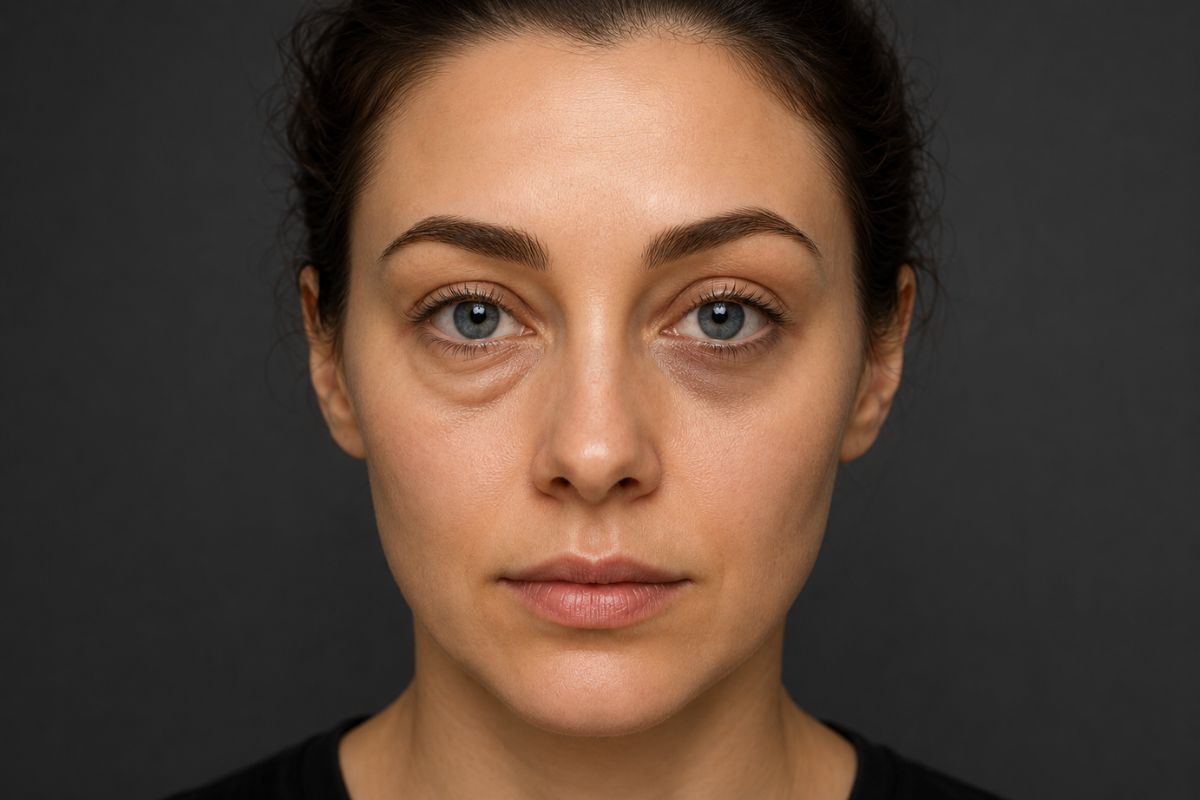
The eyes are often described as the window to the soul, but they are also one of the first places where stress, ageing, lifestyle habits, and overall health begin to show. Two of the most common concerns people notice around the eyes are eye bags and dark circles.
Although they are often confused with one another and may appear together, they are not the same condition and usually have different causes and solutions.
What Are Eye Bags?
Eye bags are the visible swelling or puffiness that appears beneath the eyes. They create a raised or bulging appearance and are often more noticeable in the morning or after periods of fatigue.
Eye bags develop when the tissues and muscles supporting the eyelids weaken over time, allowing fat that normally supports the eyes to move downward. Fluid can also collect in this area, making the puffiness appear more prominent.
Common causes of eye bags:
- Ageing and loss of skin elasticity
- Fluid retention
- Lack of sleep
- Genetics
- Allergies
- High salt intake
- Smoking
- Chronic stress
Eye bags affect the structure and shape under the eyes rather than the colour of the skin.
What Are Dark Circles?
Dark circles refer to the darker pigmentation or shadowing beneath the eyes. Unlike eye bags, dark circles mainly involve changes in skin colour and light reflection rather than swelling.
The skin under the eyes is naturally thinner and more delicate, making blood vessels, pigmentation, or volume loss more visible.
Common causes of dark circles:
- Genetics
- Sleep deprivation
- Thin skin due to ageing
- Excess pigmentation
- Dehydration
- Allergies and eye rubbing
- Sun exposure
- Fatigue and stress
Dark circles may appear brown, blue, purple, or grey depending on skin tone and underlying causes.
The Key Difference
Eye bags create volume and puffiness.
Dark circles create discolouration and shadowing.
You may have one without the other, but many people experience both at the same time.
How to Tell Which One You Have
Ask yourself these questions:
If the area looks swollen or raised → likely eye bags.
If the area appears flat but darker than surrounding skin → likely dark circles.
If lifting the skin changes the appearance → pigmentation may be involved.
If better sleep reduces the appearance → fatigue or fluid retention may play a role.
Can They Be Improved?
The good news is that both concerns can often be improved depending on the cause.
For eye bags:
- Improve sleep quality
- Reduce excess salt intake
- Use cold compresses
- Manage allergies
- Elevate the head slightly while sleeping
For dark circles:
- Prioritise consistent sleep
- Stay hydrated
- Protect skin from sun exposure
- Use gentle skincare around the eyes
- Address allergies and frequent eye rubbing
When to Pay Attention
Occasional eye bags or dark circles are common and usually harmless. However, if swelling appears suddenly, affects only one eye, becomes painful, or changes rapidly, it is worth seeking professional medical advice.
Final Thought
Your eyes tell stories your words sometimes do not. Eye bags and dark circles are not simply cosmetic concerns. They can reflect how well you rest, manage stress, hydrate, and care for your overall wellbeing.
Understanding the difference is the first step toward choosing the right solution and treating your eyes with the care they deserve.